Why Hasn’t My Chronic Pain Gone Away - and How to Break Free
If you’re asking this, you’re not alone.
Many people with chronic pain have done everything they were told to do: medication, physical therapy, adjustments, massage, injections, even surgery. Relief may come briefly, but the pain returns or shifts to a new place.
This often happens because the underlying system maintaining the pain pattern hasn’t been fully addressed.
Chronic pain isn’t always a problem of damage. Frequently, it’s a problem of persistent tension and long-standing adaptation within the fascial system.
What is fascia, and why does it matter in chronic pain?
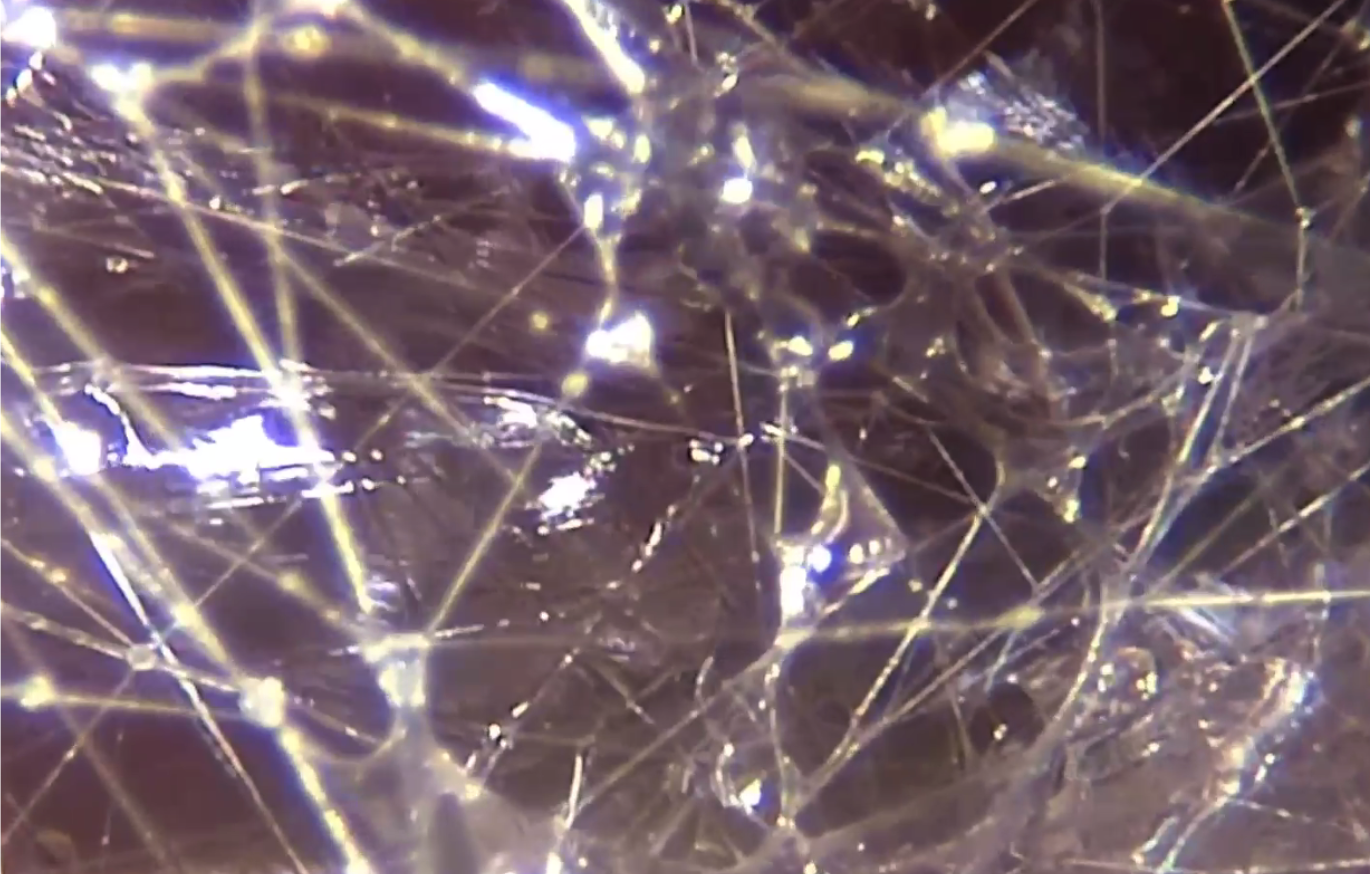

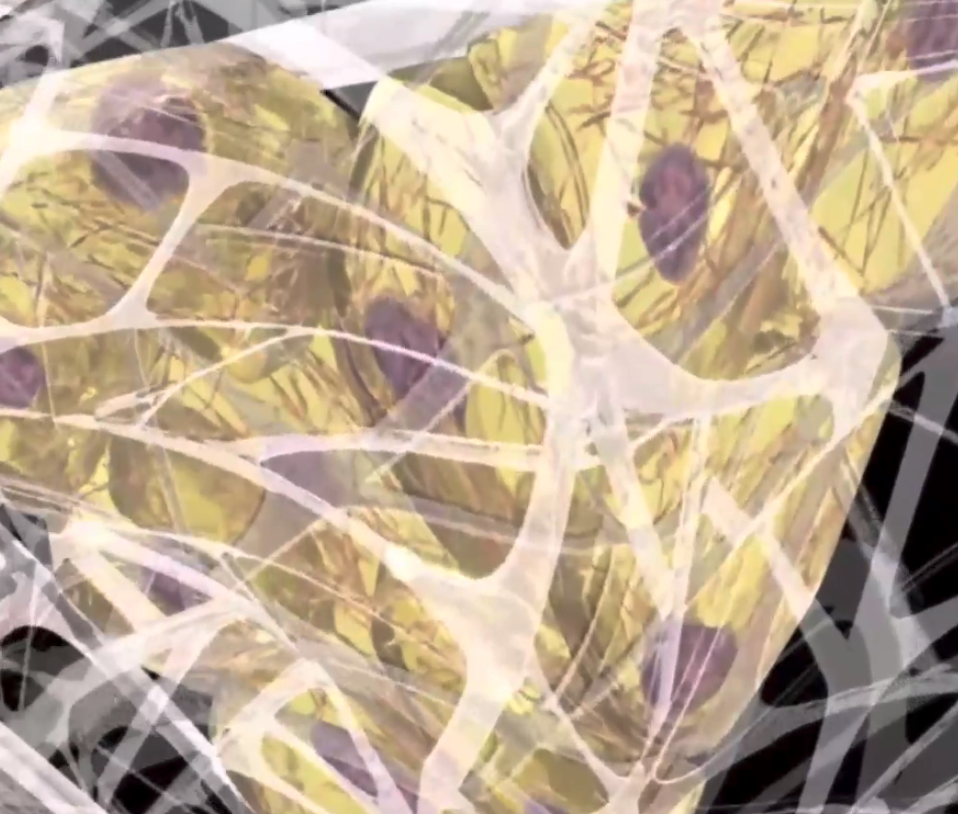
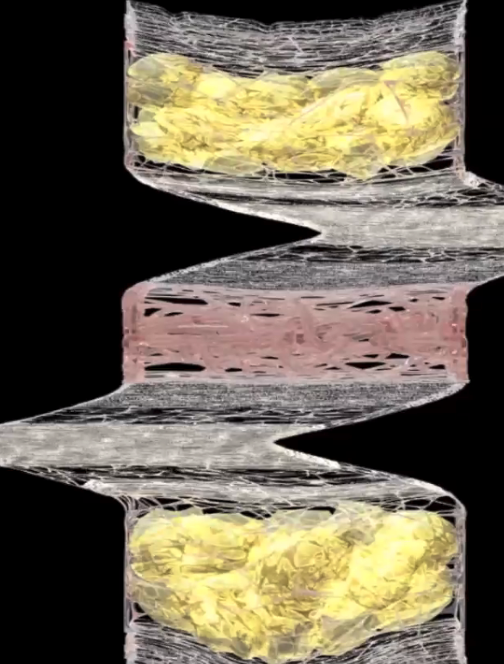
Fascia is a continuous, three-dimensional collagen matrix that surrounds and penetrates every muscle, bone, nerve, blood vessel, organ and cell in your body.
Rather than being passive “packing material,” fascia is:
Highly innervated (rich in sensory nerve endings)
Responsive to stress, load, and injury
Essential for movement coordination, posture, and body awareness
In healthy tissue, fascia is hydrated, elastic, and adaptable. Under trauma, inflammation, repetitive strain, or prolonged stress, fascia can stiffen and lose its ability to glide.
When that happens, tension doesn’t stay local. Because fascia is continuous, restrictions can transmit force throughout the body, often far from where pain is felt.
Can fascia really cause pain even if imaging looks normal?
Yes - and this is one of the most frustrating parts of chronic pain.
Fascial restrictions often do not appear on standard imaging like X-rays or MRIs. Yet fascia is richly innervated and intimately connected with nerves, muscles, joints, and organs. When the fascia becomes restricted, its tension isn’t just local — it creates forces that influence the whole body.
When fascia tightens or loses its ability to glide:
Joints and the spine can experience abnormal compression or shear, increasing pressure on pain-sensitive structures.
Nerves can be irritated or constrained, leading to sensations such as aching, tingling, burning, or “pinched” feelings in related areas.
Restricted layers can pull on muscles or organs, contributing to patterns of stiffness, tension, or referred discomfort.
Scar tissue and adhesions can act like tethers, transferring tension far from the original injury and affecting areas that seem unrelated.
This networked tension doesn’t always show up on imaging because these techniques are excellent for structural damage (like fractures or significant joint degeneration) but not for functional tissue tension patterns.
That’s why many people are told “nothing is wrong,” even though the pain they feel is very real.
What makes Myofascial Release different from massage or stretching?
Myofascial Release is not about forcing tissue to change.
The John F. Barnes Myofascial Release Approach® uses gentle, sustained pressure to engage the fascial system directly, rather than working only on muscles or joints.

Why is sustained pressure important?
In the John F. Barnes Myofascial Release Approach®, sustained pressure is essential because fascia does not respond to quick or forceful input.
Fascia is a collagen-rich, living tissue that behaves in a viscoelastic way. When gentle pressure is applied slowly and held for time, the tissue has an opportunity to soften, elongate, and reorganize rather than resist.
This time component matters for several reasons.
As sustained pressure is applied, the collagen within fascia responds through piezoelectricity - the generation of subtle electrical signals when mechanical pressure is applied to connective tissue. These signals influence cellular communication and tissue organization, helping the body recognize that change is safe and supported rather than threatening.
At the same time, sustained input allows mechanotransduction to occur. Mechanical signals are converted into biochemical responses at the cellular level, influencing how the tissue adapts, remodels, and integrates change over time.
With adequate time, the fascial ground substance can undergo a phase transition - shifting from a more solid or gel-like state toward a more fluid, hydrated state. This improves glide between fascial layers, reduces abnormal tension, and allows forces to distribute more evenly throughout the body.
Quick or forceful techniques may affect muscles temporarily, but they often do not allow these deeper processes to occur. Without sufficient time, the tissue rebounds into its previous pattern, which is why relief may feel short-lived.
In Myofascial Release, the therapist follows the tissue and waits for the body’s response, allowing mechanical, electrical, and nervous system changes to unfold together. This creates the conditions for lasting change rather than imposed correction.Why does treatment involve the whole body?
Because fascia is continuous, pain is rarely coming from where it’s felt. Restrictions are followed wherever they lead, allowing the body to unwind long-standing patterns rather than chasing symptoms.
How does this affect the nervous system?
Gentle, sustained work helps the nervous system perceive safety. This sense of safety is essential for lasting change in chronic pain, where protective tension patterns are often deeply ingrained.
How is Myofascial Release different from physical therapy?
This question often comes up for people who have already completed one or more rounds of physical therapy.
Traditional physical therapy is highly effective for post-surgical recovery, and restoring strength. It focuses on improving how muscles and joints function through strengthening, stretching, and guided movement.
Myofascial Release addresses a different layer of the problem.
In many chronic pain cases, muscles and joints are not failing on their own. They are responding to long-standing tension within the fascial system that restricts movement and alters how the body distributes load.
Myofascial Release uses gentle, sustained pressure to soften these restrictions first. When connective tissue is no longer pulling the body into protective patterns, muscles can lengthen, strengthen, and coordinate more effectively.
This is why some people experience only temporary relief from physical therapy until the fascial system is addressed. It’s not that physical therapy didn’t work. It’s that the tissue holding the pattern in place hadn’t yet changed.
Many clients find that Myofascial Release works best before or alongside strengthening-based care, creating the conditions for more lasting results.
Is Myofascial Release backed by science?
Yes. While fascia was once underrepresented in medical education, research over the last two decades has significantly expanded our understanding of its role in pain and movement.
Current research supports:
Fascia as a sensory tissue
Fascia is richly supplied with sensory receptors and plays an active role in how pain is sensed and processed, not just structural support. This helps explain why fascial restriction can contribute to pain even when imaging looks normal.Fascia and chronic pain
Changes in fascia, such as altered elasticity or inflammation, have been linked with persistent pain conditions, which supports the idea that chronic symptoms can be maintained by connective tissue patterns rather than isolated damage.🔗 An emerging perspective on fascia in complex pain highlights its sensory and inflammatory roles.
Mechanotransduction and tissue remodeling
Fascia responds to mechanical signals at the cellular level, meaning gentle, sustained input can lead to more lasting alterations in tissue behavior compared with brief, forceful techniques.🔗 Recent research outlines how mechanical forces influence fascia and may reduce stiffness.
Manual therapy and nervous system regulation
Mechanical stimuli applied to fascia can be converted into neural and biochemical signals, engaging pathways that may help the nervous system yield protective tension patterns.🔗 Studies on fascia’s response to manual input show its role in neuro-physiological coupling.
Hydration and tissue glide
Fascial movement and force transmission depend on fluid and viscoelastic properties, which is one reason why slow, sustained therapeutic input can improve glide and comfort.
While research continues to evolve, the growing body of fascia science aligns closely with what clinicians and patients have observed for decades: when connective tissue restrictions are addressed directly, the body often gains a new capacity to change.
Who is Myofascial Release especially helpful for?
Myofascial Release is often sought out by people who:
Have chronic or recurring pain that hasn’t resolved despite other care
Have ongoing pain or unexplained symptoms that haven’t resolved after injury or surgery
Feel stiff, compressed, or “stuck”, even though they stay active
Experience pain that moves, spreads, or returns under stress
Have been told imaging looks “normal,” yet symptoms persist
Want to address root causes, not just manage symptoms
Myofascial Release isn’t about quick fixes. It’s about creating the conditions for lasting change by working with the body’s natural healing capacity.
Do I have to live with chronic pain?
No. And struggling harder is rarely the answer.
Chronic pain is not a personal failure. It’s often a sign that your body adapted intelligently to stress or injury and now needs the right conditions to release those patterns.
When the fascial system is addressed directly, many people experience not just reduced pain, but improved awareness, movement, and ease.
What’s the next step if I’m curious about Myofascial Release?
If this resonates, the next step is to experience the work. Myofascial Release isn’t something you fully understand by reading about it - it’s something your body experiences.
If you’re in Austin or Central Texas and persistent pain hasn’t gone away, local Myofascial Release resources are here to support your journey.
