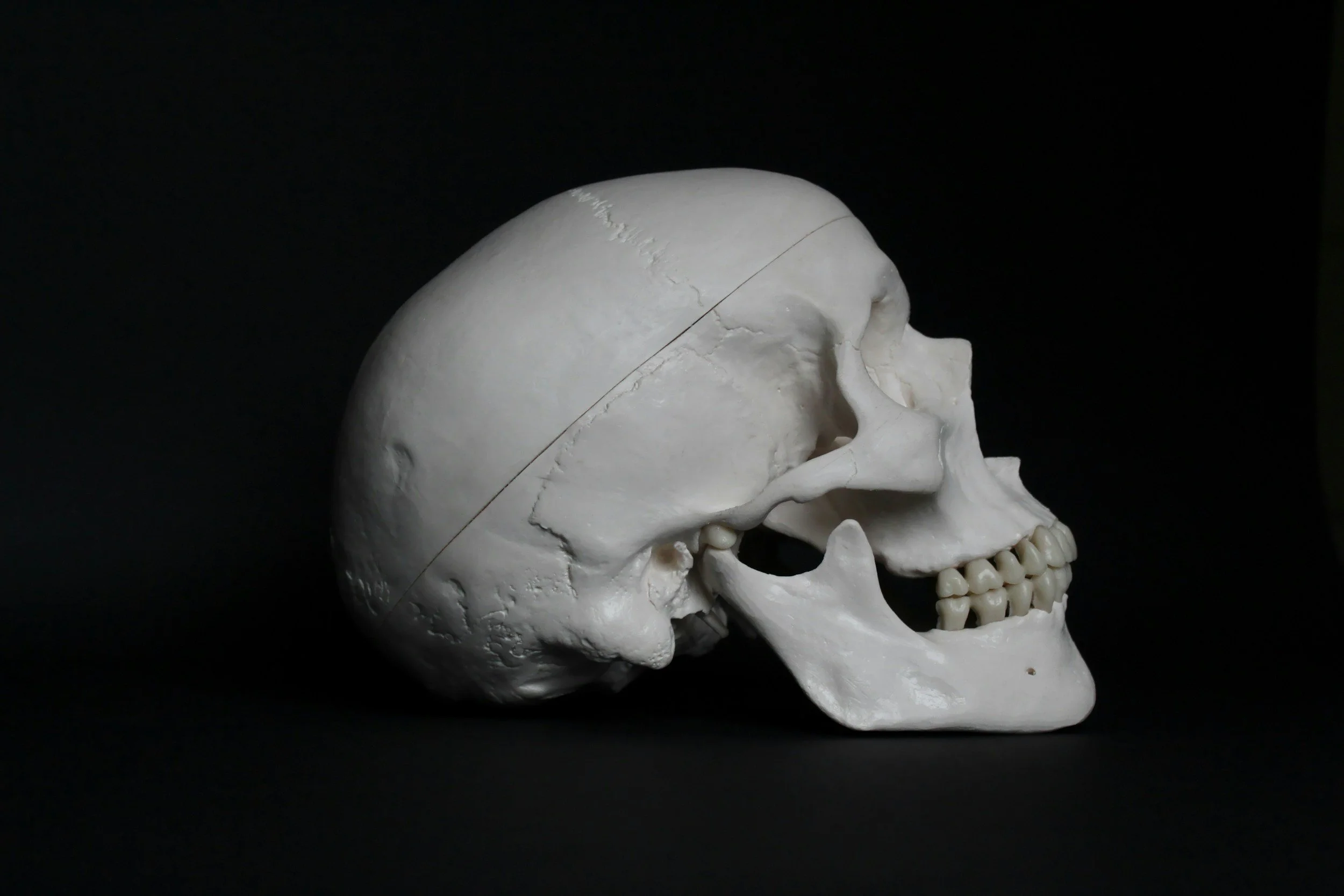
TMJ & Jaw Pain Treatment in Austin
When your jaw hurts, it’s rarely just your jaw.
Jaw pain has a way of taking over
It can show up as:
Constant tension or clenching
Clicking, popping, or locking
Pain with chewing or talking
Headaches, ear pressure, or facial tightness
For some, it’s intense and immediate.
For others, it’s been there so long it feels… normal.
And if you’ve tried to address it, you may have noticed:
Relief doesn’t always last.
Why does my jaw keep tightening?
Because it’s usually not just about your jaw.
There are two patterns we see all the time:
The jaw is loud enough you can’t ignore it
This is what brings you in.
But when we look closer, we often find:
Chronic neck tension
Uneven shoulders
Tight hips or pelvic imbalance
A system that’s been under stress for a long time
The jaw isn’t isolated.
It’s where your body has reached its limit.
The jaw has been quietly holding for years
You may come in for something else:
Hip or low back pain
Neck and shoulder tension
And then realize:
“I’ve worn a night guard for years.”
“My jaw is always tight… I thought that was normal.”
The jaw has been part of the pattern all along.
How common is TMJ and jaw tension?
Very.
Around 30% of people experience TMJ-related issues
About 1 in 5 people grind or clench their teeth
Many people rely on night guards for years
What feels normal is often just… common.
Why isn’t what I’ve tried working?
Most approaches focus on managing symptoms:
Night guards protect the teeth
Massage can reduce tension temporarily
Treatment focuses only on the jaw
These can help in the short term.
But if the underlying patterns remain,
the tension returns.
What’s actually going on?
TMJ dysfunction is widely understood to be multifactorial—meaning it involves more than one part of the body.
In practice, that often includes:
Myofascial tension
Postural and movement patterns
Nervous system stress responses
Which is why focusing only on the jaw often misses the bigger picture.
Our approach
A whole-body approach with Myofascial Release
Instead of isolating the jaw, we look at how your body is holding as a whole.
Sessions include:
Body evaluation
Identifying patterns of tension, compensation, and imbalanceSustained, gentle myofascial work
Allowing tissue to respond over time - not forcing changeIntegration and guidance
Supporting your body as it begins to reorganize
This approach works with your system - so change lasts beyond the table.
Want to feel a small shift right now?
This is a simple way to begin bringing awareness to your jaw and surrounding tissue.
It’s not a fix—but it can give you a sense of how much tension your system may be holding.
Even small changes here can be revealing.
Because the jaw doesn’t hold tension in isolation—it reflects what’s happening throughout the body.
That’s why lasting change usually requires working beyond the jaw itself.
What you may notice
As patterns begin to shift, people often experience:
Less jaw tension and clenching
Reduced neck and shoulder tightness
Fewer headaches
Improved movement and ease
And often:
A sense that their body is no longer fighting itself.
Is this right for you?
This work may be a good fit if:
You’re dealing with jaw pain, TMJ symptoms, or clenching
You wear (or have worn) a night guard
You also experience neck, shoulder, or hip tension
You’re looking for more than temporary relief
You don’t have to keep managing this
If your jaw has been asking for attention - loudly or quietly - this is a place to begin.