How Scar Tissue and Fascia Contribute to Whole-Body Pain
This article breaks down what current research reveals about how scar tissue and fascia influence pain patterns throughout the body - including why symptoms often appear far from the original injury or surgery.
It expands on concepts introduced in Why Old Scars Could Be the Culprit Behind Your Current Pain, which explores how these patterns often show up in everyday life.This article breaks down what current research reveals about how scar tissue and fascia influence pain patterns throughout the body - including why symptoms often show up far from the original injury.
Why Pain Appears Far from the Original Injury
If you’ve ever wondered how an old scar could influence pain elsewhere in the body, you’re not alone.
Many people living with chronic or unexplained pain are told their symptoms are unrelated to past surgeries or injuries - especially when those events occurred years or even decades earlier. When imaging looks “normal” and the injury feels long resolved, pain is often labeled as mysterious or unrelated.
But a growing body of research now shows…
The body does not heal in isolated parts.
It adapts as a whole.
This article explores what science reveals about scar tissue, fascia, and whole-body pain patterns — and why symptoms don’t always show up where the original injury occurred.
The Problem: Pain That Doesn’t Make Sense
Pain is often expected to appear at the site of injury or surgery. When it doesn’t — when back pain follows abdominal surgery, or shoulder pain appears years after a chest or arm procedure — people are left confused.
Conventional explanations frequently focus on:
muscles
joints
isolated structures
But the body does not function in pieces.
The Missing Piece: Scar Tissue and Adhesions
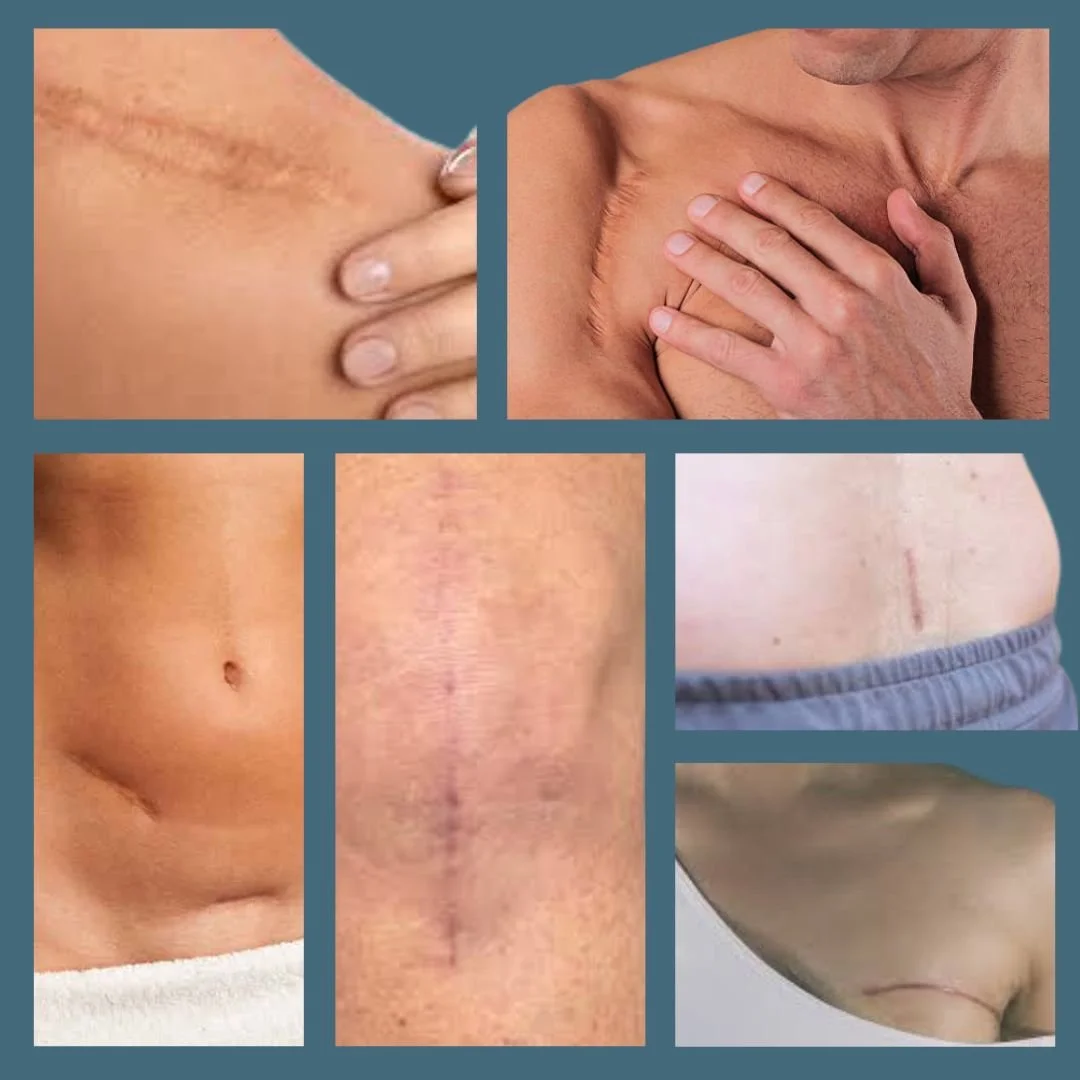
When the body undergoes surgery, injury, or significant inflammation, it forms scar tissue as part of the healing process. In many cases, this scar tissue develops into adhesions — fibrous bands of connective tissue that form between structures that are not normally connected.
Scar Tissue, Adhesions, and Fascial Restriction
Scar tissue can become adhesions - dense forms of fascial restriction where tissues that should glide independently bind together. This alters whole-body mechanics.
Post-surgical adhesions are extremely common and increasingly recognized as contributors to pain, movement restriction, organ dysfunction, and long-term healthcare utilization.
A comprehensive review published in the Journal of Clinical Medicine states:
“Post-surgical adhesions are common in almost all surgical areas and are associated with significant rates of morbidity, mortality, and increased healthcare costs.”
https://pmc.ncbi.nlm.nih.gov/articles/PMC8389678/
Despite their prevalence, treatment options remain limited — particularly non-invasive ones.
The same review notes:
“There is an unmet clinical need for the development of safe and effective therapeutic options that can be used to mitigate post-operative adhesion formation.”
This gap is deeply relevant for individuals living with persistent pain that does not respond to conventional care.
Fascia as a Living, Responsive System
Fascia is not an inert wrapping around muscles and organs. It is a biologically active, sensory-rich connective tissue network that surrounds and interpenetrates muscles, bones, organs, nerves, and blood vessels.
Research increasingly recognizes fascia as:
mechanically responsive
highly innervated
capable of adapting to stress, strain, and load
influential in posture, movement, and pain perception
According to the Journal of Bodywork and Movement Therapies:
“Fascia is highly innervated and has the capacity to adapt its mechanical properties in response to stress and strain.”
https://www.sciencedirect.com/science/article/pii/S1360859216300268
This adaptability helps explain why fascial restrictions do not remain confined to the site of injury or surgery.
Why Symptoms Appear Elsewhere
Fascial tissues function as a continuous, three-dimensional network. Forces applied in one area are transmitted throughout the system.
As described in Frontiers in Physiology:
“A symptom does not necessarily arise where the problem begins, but it can occur in distant sites because the body is a sole entity.”
https://pmc.ncbi.nlm.nih.gov/articles/PMC3883554/
This interconnectedness explains why:
abdominal scars can contribute to low back or hip pain
shoulder or chest scars can affect the neck, arm, or rib cage
symptoms may migrate or change location over time
Pain is not random.
It is patterned.
Why Pain Often Appears Years Later
Scar tissue and adhesions do not always produce immediate symptoms. Instead, they may subtly alter:
tissue glide
load distribution
movement efficiency
nervous system tone
The body compensates intelligently, redistributing strain to preserve function. Over time, compensatory tissues become overloaded.
Eventually, the system exceeds its adaptive capacity - and pain emerges.
Often far from the original scar.
Fascial Densification and Restricted Glide
Beyond visible scarring, research also describes fascial densification — a process in which the ground substance of fascia loses hydration and elasticity, reducing its ability to slide.
This contributes to:
stiffness
reduced movement variability
increased strain on joints and muscles
As outlined in Fascia: The Tensional Network of the Human Body:
“Chronic stress and altered mechanical loading can lead to densification of fascial tissue, altering its mechanical behavior and contributing to pain.”
https://link.springer.com/book/10.1007/978-3-319-46066-0
The Nervous System Connection
Fascia contains a dense network of sensory receptors, including nociceptors and proprioceptors. This makes it a critical interface between the body and the nervous system.
Research published in the Journal of Bodywork and Movement Therapies notes:
“Fascia contains a rich network of proprioceptors and nociceptors, suggesting an important role in proprioception and pain.”
https://www.sciencedirect.com/science/article/pii/S1360859215001217
Restrictions within the fascial system may influence:
pain perception
body awareness
guarding and bracing
autonomic nervous system regulation
This helps explain why scar-related pain may feel diffuse, non-specific, or worsened by stress.
Visceral Fascia: When Organs Are Part of the Story
Fascial tissue does not only surround muscles and joints — it also envelops and supports organs.
Research published in Frontiers in Physiology highlights the role of visceral fascia:
“Visceral fascia integrates organs with the musculoskeletal system; restrictions can impact posture, movement, and function.”
https://www.frontiersin.org/articles/10.3389/fphys.2018.01735/full
When visceral fascia loses mobility, symptoms may include:
abdominal or pelvic discomfort
breathing restriction
postural changes
referred pain patterns
Why a Fascial Approach Makes Sense
Multiple studies examining manual scar therapy and myofascial techniques demonstrate improvements in:
tissue pliability
mobility
pain
functional outcomes
A review published in Frontiers in Physiology reports:
“Manual therapies applied to scar tissue can improve tissue mobility and reduce pain, suggesting that scars are modifiable rather than fixed structures.”
https://pmc.ncbi.nlm.nih.gov/articles/PMC10155853/
Importantly, research emphasizes that gentle, sustained pressure is sufficient to influence fascial tissue behavior. Forceful techniques are not required.
Why Myofascial Release Aligns With the Science
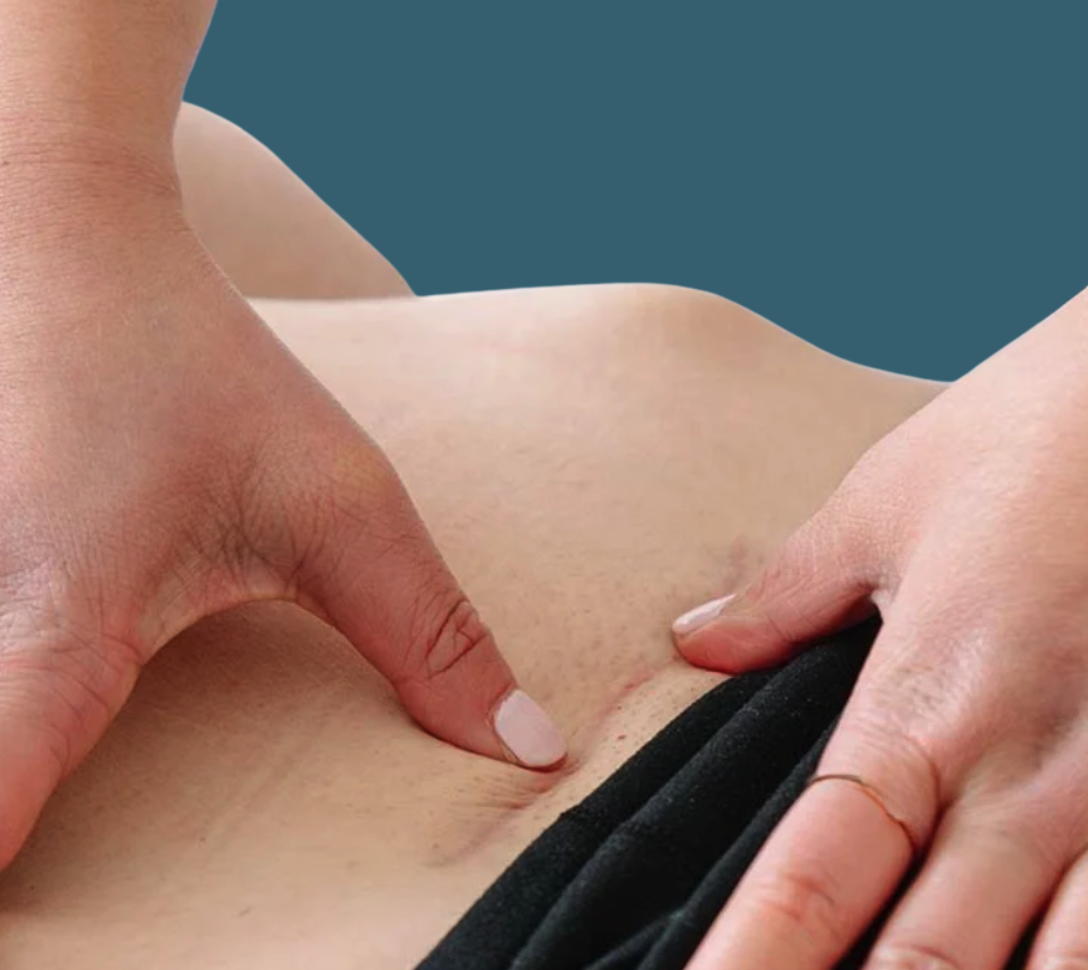
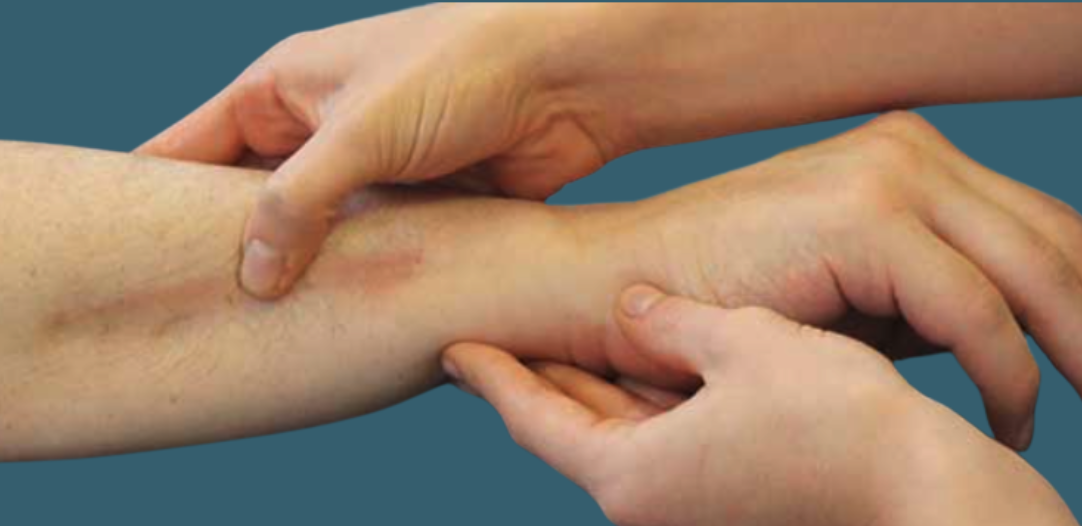
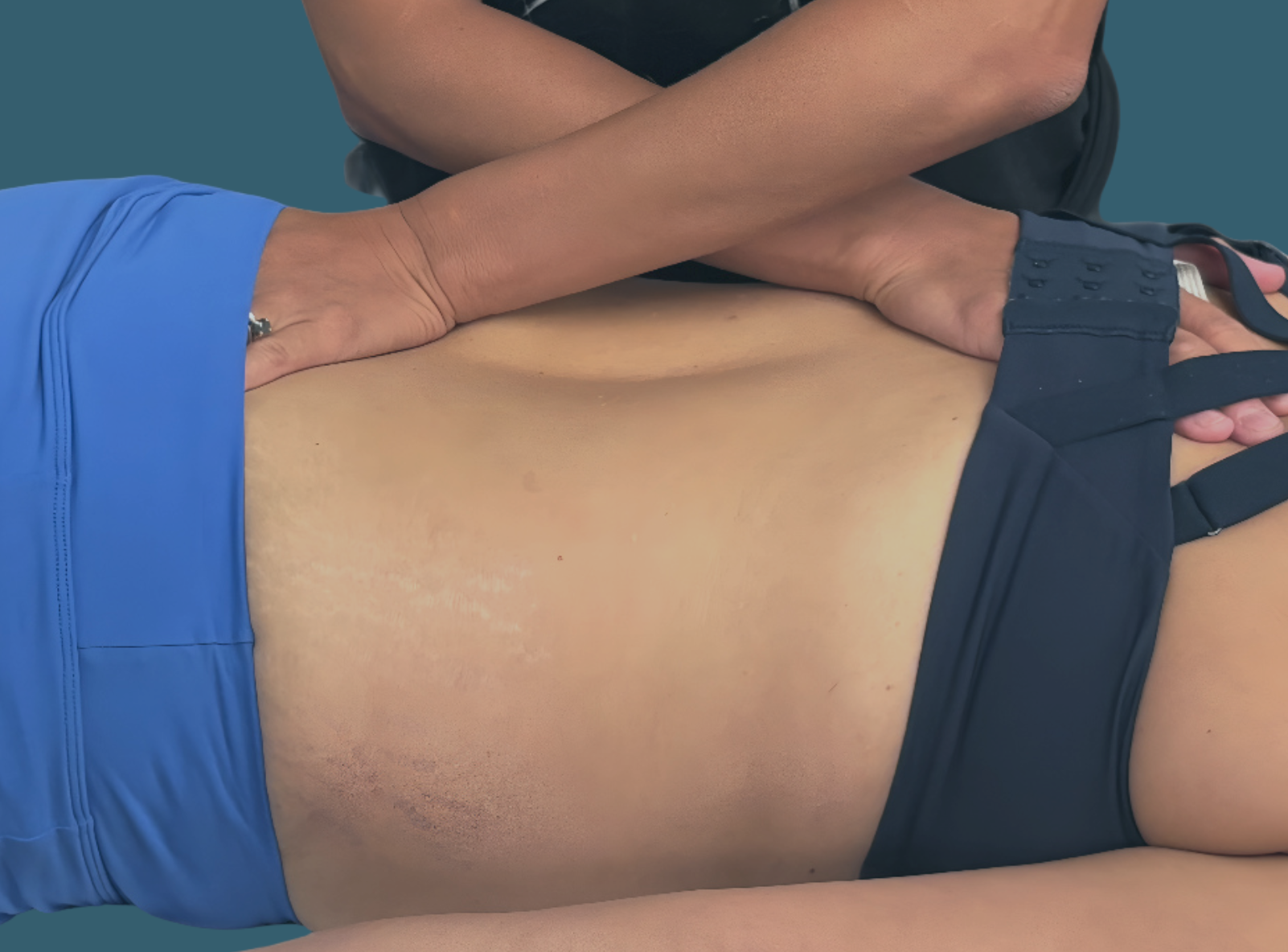
Myofascial Release engages the fascial system directly using sustained, low-load pressure. This approach:
addresses adhesions and densification
restores tissue glide
reduces abnormal tension patterns
supports nervous system regulation
By working with the body as an integrated system, Myofascial Release aligns with the growing recognition that chronic pain often reflects global adaptations, not isolated dysfunctions.
Rethinking “Unexplained” Pain
When imaging is inconclusive and symptoms persist, pain is often labeled as unexplained. This doesn’t mean pain is “all in your head” - it means pain often reflects how the body’s structures and nervous system integrated and adapted over time.
Current fascia research suggests many of these cases are not mysterious — they are simply under-recognized.
Understanding scar tissue, adhesions, and the fascial system offers a more complete framework for:
chronic pain
compensation patterns
delayed symptom onset
pain that migrates or changes over time
Scar tissue does not exist in isolation.
Neither does pain.
By viewing the body as an integrated mechanical, neurological, and connective system, a clearer and more compassionate understanding of pain emerges — one that opens the door to effective, respectful, and lasting care.
References & Further Reading
Post-Operative Adhesions: A Comprehensive Review — Journal of Clinical Medicine
https://pmc.ncbi.nlm.nih.gov/articles/PMC8389678/Skin, Fascias, and Scars: Symptoms and Systemic Connections — Frontiers in Physiology
https://pmc.ncbi.nlm.nih.gov/articles/PMC3883554/Effectiveness of Various Methods of Manual Scar Therapy
https://pmc.ncbi.nlm.nih.gov/articles/PMC10155853/Fascia and Pain: Mechanisms and Clinical Implications
https://pmc.ncbi.nlm.nih.gov/articles/PMC10135675/Fascia: The Tensional Network of the Human Body — Springer
https://link.springer.com/book/10.1007/978-3-319-46066-0Journal of Bodywork & Movement Therapies — Fascia Research Archive
https://www.sciencedirect.com/journal/journal-of-bodywork-and-movement-therapiesVisceral Fascia and Functional Integration — Frontiers in Physiology
https://www.frontiersin.org/journals/physiology
For readers interested in fascia-based approaches to chronic pain, Myofascial Release offers a research-aligned, whole-body framework.
