Chronic Unresolved Pain Treatment in Austin Using Myofascial Release
If you’re living with chronic, unresolved, or unexplained pain, there is a reason it persists.
And there is a way forward.

Chronic unresolved pain is rarely about a single structure that failed to heal. More often, it reflects how your body has adapted over time - holding, bracing, and compensating in ways that gradually create compression and persistent patterns.
Many people find that traditional treatments address symptoms but not the deeper connective tissue restriction and compression patterns causing the symptoms that contribute to chronic unresolved pain. A whole-body Myofascial Release approach can offer meaningful, structural support.
Why Chronic Unresolved Pain Persists

How Adaptation Becomes Compression
Over time, the body adapts to:
• Injury
• Surgery
• Repetitive strain
• Postural habits
• Prolonged stress
• Subtle protective bracing
Adaptation is intelligent. It protects you.
But when protection becomes chronic, it becomes compression.
How Fascial Restriction Alters Load and Movement
These adaptations often involve the connective tissue network (fascia), which surrounds and connects muscles, nerves, joints, and organs. When fascial motion becomes restricted, it alters how mechanical force travels through the body. Altered load increases joint compression. Increased compression changes movement patterns.And when movement patterns change, pain often follows.
This is why pain can improve temporarily — and then return. The surface symptom may shift, but the underlying pattern remains. If you’re wondering why chronic pain won’t go away despite treatment, we’ve explored that concept in more detail here.

Are My Symptoms Related?
The Role of the Fascial System in Whole-Body Compensation
You may have had shoulder surgery decades ago.
The wound healed, but now you’re experiencing jaw tension, neck stiffness, tingling into the arm or even hip pain.
It feels unrelated.
But the body doesn’t function in isolated parts. It moves as an interconnected system.
Fascia is a continuous connective tissue network that surrounds and links muscles, joints, nerves, and organs. When restriction develops in one area, force redistributes elsewhere. Over time, these layered adaptations reshape movement patterns throughout the body.
Because fascia transmits tension throughout the body, restriction in one region can influence distant structures. Over time, this altered tension pattern can contribute to symptoms that feel unrelated.
Why Other Treatments May Not Fully Resolve Chronic Pain?

Most people don’t land here first.
By the time someone is reading this page, they’ve usually tried many therapies - all of which can serve important roles.
Physical therapy builds strength. Chiropractic restores alignment. Massage eases tension. Ice, heat, medication, and injections reduce inflammation and calm symptoms.
Relief can be real.
But chronic unresolved pain often persists not because you chose the wrong therapy - but because deeper connective tissue restrictions and protective holding patterns were never fully addressed.
When fascial tension remains, it can continue influencing nerves, joints, organ mobility, breath, and even how settled the nervous system feels. Symptoms may quiet temporarily, but the underlying strain remains in place.
Cumulative disruption requires a cumulative approach. Over time, the body adapts to stress and compensation. Resetting that adaptation takes patience and depth - not force.
Myofascial Release is different by design.
Keep reading.
How Stress Becomes Physical
📌 How Does Fascia Respond to Stress & Experience Over Time

Chronic pain is not purely mechanical. The nervous system plays a significant role.
Protective patterns don’t only form after injury. They can build quietly over time - shaped by childhood stress, athletic pressure, high expectations, emotional strain, physical trauma, loss, or years of pushing through when slowing down wasn’t an option.
Some stress is obvious. Some is subtle.
Work demands. Parenting. Caring for aging parents. Financial pressure. Relationship strain. The steady effort of holding everything together.
Most of us are conditioned to keep going.
To override discomfort.
To perform.
To endure.
Over time, that endurance becomes physical.
You may notice physical holding (tensed jaw, lifted shoulders), altered breath, emotional tension, restless sleep, digestive disruption, or seemingly bizarre symptoms that don’t seem connected.
These responses are rarely dramatic. They’re often quiet and habitual.
When the nervous system perceives ongoing demand, it maintains tension as protection. Sustained sympathetic activation elevates baseline muscle tone and can reduce tissue hydration, contributing to fascial stiffness and altered mobility over time.
If the system does not feel safe, the body will not fully release that protection.
Creating structural change requires creating physiological safety.
Why Chronic Unresolved Pain Requires a Process

Because chronic pain develops gradually - shaped by years of adaptation to your lived experience - it makes sense it does not unwind instantly.
Consistency over intensity builds momentum.
When protective tension is layered and nervous system tone is heightened, change requires an approach that supports both tissue and systemic regulation.
When we meet your body where it is - without forcing or overriding - and allow time for tissue to respond, the nervous system begins to settle. As it settles, protective tension decreases. Fascial layers regain subtle mobility. Mechanical strain softens.
Nothing is imposed.
The body reorganizes when it no longer needs to guard.
Over time, a new baseline begins to emerge - one that feels steadier, less reactive, and more trustworthy. Movement becomes less braced. Sensation feels less threatening. Function restores gradually. The body responds instead of reacts.
The goal is not temporary relief.
It is lasting change in how your body moves, feels, functions, and responds — so you can feel at home in it again, with growing confidence in this new normal.
How Myofascial Release Supports Lasting Pain Relief
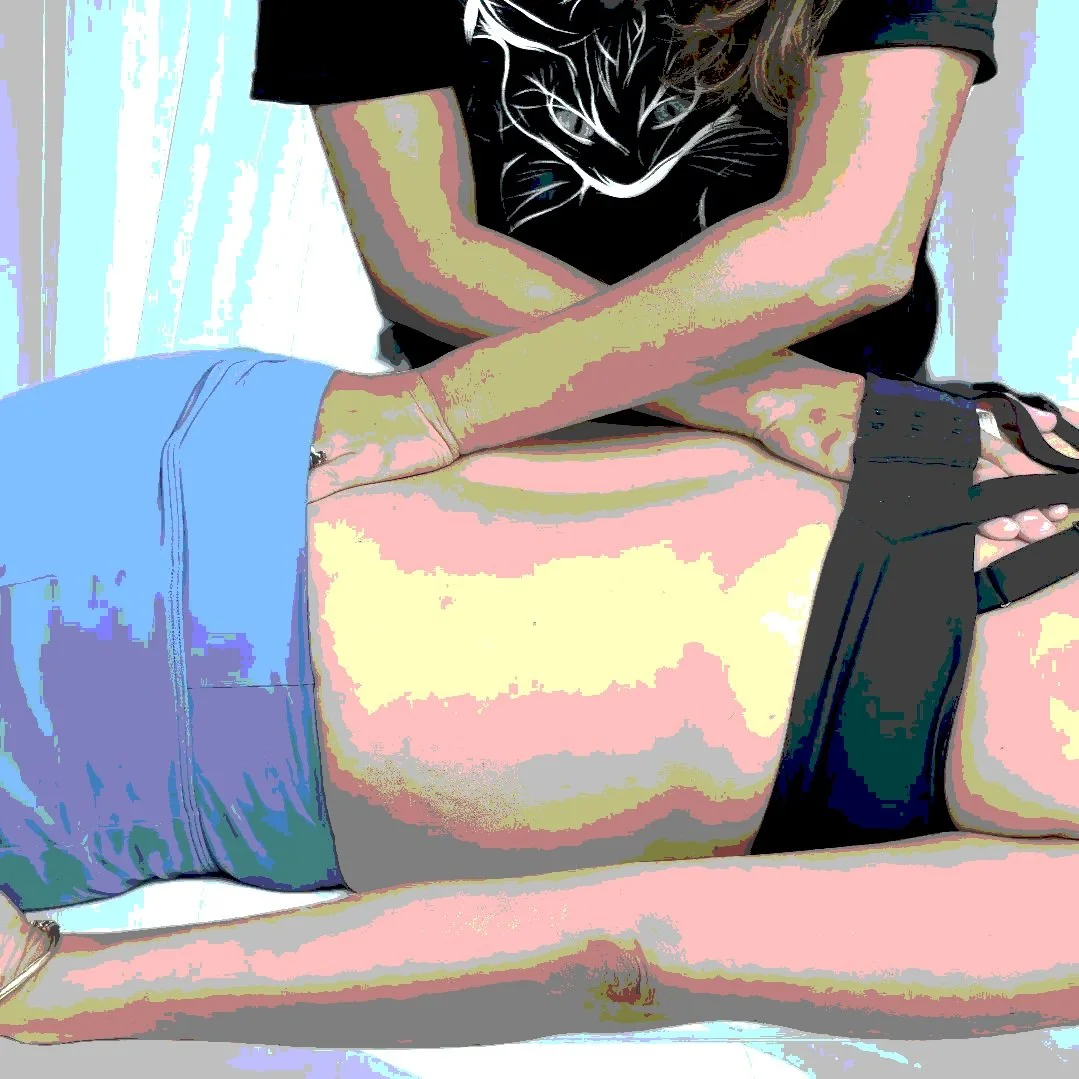
Myofascial Release is a method of sustained, gentle pressure that supports deeper connective tissue response and improved movement patterns.
Myofascial Release addresses chronic unresolved pain by reducing fascial restriction and joint compression throughout the body. Fascial restriction alters how mechanical force travels through the system, often increasing compression in vulnerable joints. As tissue glide improves, force distributes more evenly, movement becomes more efficient, and pain often decreases.
Chronic unresolved pain requires addressing the pattern — not just the symptom. That takes time, consistency, and a willingness to look beyond where it hurts.
At VerveBody, I use the John F. Barnes Approach® to Myofascial Release to methodically work with these deeper connective tissue patterns.
This is not aggressive manipulation. It is sustained, precise pressure held long enough for the fascia and nervous system to respond.
The time element is essential. Rather than forcing alignment or overriding tension, this approach allows restrictions to shift gradually, supporting structural reorganization at a deeper level.
This work is a partnership.
I guide the process and create the conditions for change. Your body responds by reorganizing under safer, more efficient mechanical conditions.
The goal is not temporary relief.
It is restoring structural integrity and supporting lasting change.

Is This Right for me?
This approach may be right for you if:
• You’re an active adult living with persistent or unexplained pain
• Imaging hasn’t fully explained your symptoms
• Pain keeps returning despite multiple treatments
• You’re ready to address the deeper pattern
•You’re willing to commit to a process that takes consistency
If that sounds like you, let’s begin addressing the pattern beneath the pain - so you’re no longer chasing symptoms that keep returning.
Less pain.
More ease.
More life.
Welcome! Let’s Connect.
Have a question or wondering if Myofascial Release might be right for you? I’d love to hear from you.
This is a no-pressure, judgement free space - it’s a chance to explore your symptoms, ask about the treatment process, and see how our care can support your healing journey.
Submit your message, and if you’d prefer a call or text, just include your number and the best times to reach you.
I’ll be in touch soon. ♡
VerveBody Myofascial Release – Austin | Courtney Lepore

Find VerveBody Myofascial Release Therapy in the heart of South Austin. ♡
4425 S. MoPac Expressway, Building III, Suite 602, Austin, TX 78735
Located just off MoPac near Southwest Parkway, VerveBody Myofascial Release is your local physiotherapy and massage alternative for pain and stiffness in Austin and the surrounding Hill Country.
By Appointment Only.